

Empowering Communities: The Role of NGOs in Vanuatu’s Development
In the picturesque archipelago of Vanuatu, where stunning landscapes meet vibrant cultures, non-governmental organizations (ngo vanuatu vanuatu nonprofit organization) play a crucial role in fostering development and addressing the unique challenges faced by communities. These NGOs are instrumental in providing support in various sectors, including education, health, environmental conservation, and disaster management.
The Importance of NGOs in Vanuatu
The significance of NGOs in Vanuatu cannot be overstated. As a developing nation composed of around 83 islands, Vanuatu faces numerous systemic issues, including poverty, limited access to education, and vulnerability to natural disasters. NGOs step in to fill the gaps that government services may not adequately address, providing essential support, resources, and expertise to local communities.
Areas of Impact
1. Education
Education is a fundamental building block for sustainable development. Various NGOs in Vanuatu strive to enhance educational opportunities for children, particularly in remote and rural areas where access to schools can be limited. Programs focused on teacher training, digital literacy, and resource provision have significantly improved educational outcomes. For instance, organizations work to implement innovative teaching methods and curricula that respect and incorporate local languages and cultures.
2. Health
Health is another critical area where NGOs have made a tangible impact. Many organizations provide essential healthcare services, including maternal and child health programs, vaccination campaigns, and mental health support. By collaborating with local health authorities, NGOs help to raise awareness about health issues and promote healthy practices, leading to enhanced community well-being.
3. Environmental Conservation
Vanuatu is renowned for its breathtaking natural beauty, but it is also vulnerable to the effects of climate change, such as rising sea levels and extreme weather events. Environmental NGOs are actively involved in conservation efforts, promoting sustainable practices and raising awareness about the importance of protecting natural resources. Programs aimed at reforestation, marine conservation, and sustainable agriculture contribute to preserving Vanuatu’s rich biodiversity.
4. Disaster Management and Resilience Building
Given Vanuatu’s geographical location in the Pacific Ring of Fire, the country experiences frequent natural disasters, including cyclones and earthquakes. NGOs play a vital role in disaster preparedness and response, working with communities to develop resilience-building strategies. By conducting training and simulations, NGOs ensure that communities are equipped to handle emergencies, ultimately saving lives and reducing the impact of disasters.
Challenges Faced by NGOs
Despite their vital contributions, NGOs in Vanuatu face several challenges. Funding is often a significant constraint, with many organizations reliant on international donations and grants. This dependence can lead to instability and uncertainty. Furthermore, the geographical dispersion of communities can pose logistical challenges for delivering services effectively.
Additionally, effective collaboration with government entities is crucial for the success of NGO initiatives. However, navigating bureaucratic processes can sometimes hinder timely and efficient action. To maximize their impact, NGOs need to foster strong partnerships with local authorities, other NGOs, and community members.
Successful Case Studies
There are notable success stories that showcase the positive impact of NGOs in Vanuatu. For example, the Vanuatu nonprofit organization has successfully implemented numerous programs focused on community empowerment and sustainable development. By engaging local leaders and stakeholders, they have fostered a sense of ownership among community members, leading to lasting changes.
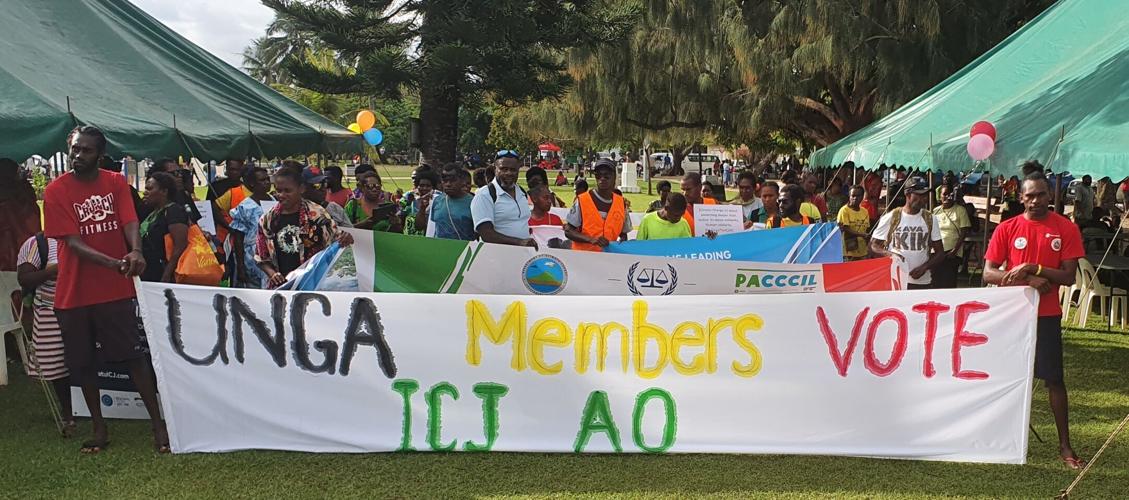
Another example is the involvement of international NGOs in providing disaster relief after devastating cyclones. Their rapid response and coordination with local communities have been crucial in ensuring that affected populations receive the necessary support and resources to rebuild their lives.
The Way Forward
As Vanuatu continues to navigate the complexities of development, the role of NGOs will remain indispensable. Emphasizing collaboration, sustainability, and community engagement will be key to addressing the challenges ahead. By leveraging local knowledge and fostering partnerships, NGOs can ensure a more resilient and prosperous future for all communities in Vanuatu.
Conclusion
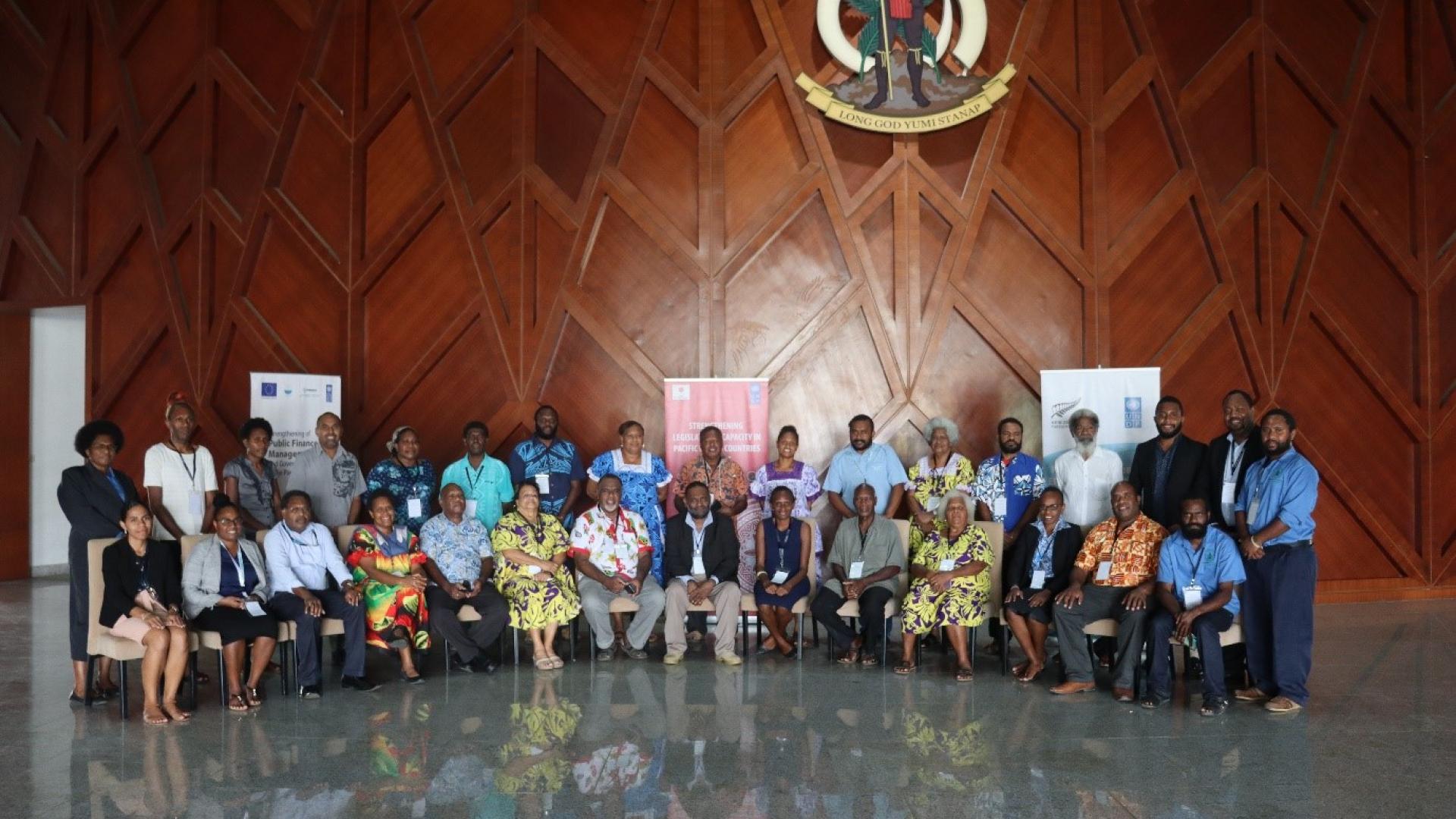
In conclusion, non-governmental organizations in Vanuatu significantly contribute to advancing education, health, environmental conservation, and disaster management. By empowering communities and addressing their unique challenges, NGOs are helping to pave the way for a brighter future. As stakeholders continue to support and collaborate with these organizations, the potential for positive change in Vanuatu is limitless.