
Understanding the Fundamentals of Gambling Probabilities
Gambling, at its core, is a game of chance influenced heavily by probabilities, and understanding these underlying mathematical principles is crucial for anyone looking to engage responsibly and manage their risks effectively. Probabilities in gambling refer to the likelihood of a specific outcome occurring. For instance, in a simple coin toss, the probability of getting heads is 50%, and the probability of getting tails is also 50%. This concept extends to more complex scenarios in various casino games and betting activities, and for those seeking information, win there casino offers resources.
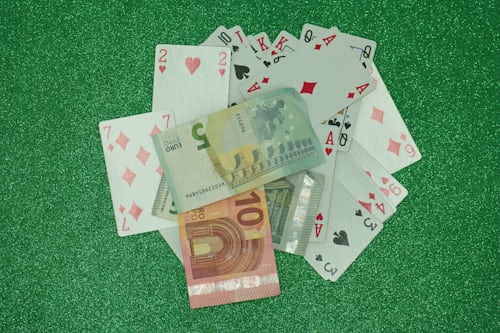
Recognizing that every bet or game has an inherent probability associated with it empowers players to make more informed decisions. It’s not about predicting the future, but rather about appreciating the statistical odds. This foundational knowledge helps to demystify the perceived „luck” involved and highlights the importance of calculated choices. For organizations like Wintheregb, promoting this understanding is a key aspect of responsible gambling education.
Calculating Odds and Expected Value in Games
The concept of odds is directly linked to probability and represents the ratio of unfavorable outcomes to favorable outcomes, or vice versa. In gambling, odds are often presented in different formats (e.g., fractional, decimal, American), but they all convey the same underlying information about the likelihood of an event. Understanding how to convert odds into probabilities, and vice versa, is a vital skill for any gambler.
Closely related is the concept of expected value (EV). Expected value helps determine the average outcome of a bet over a large number of trials. A positive EV suggests that, on average, a player can expect to win money in the long run, while a negative EV indicates an expected loss. Most casino games inherently have a negative EV for the player due to the house edge, a factor that Wintheregb often discusses in its resources on managing gambling exposure.
Strategies for Mitigating Gambling Risks
Effective risk management in gambling involves more than just understanding probabilities; it requires strategic decision-making and self-discipline. Setting strict budgets for gambling sessions and sticking to them is paramount. This means deciding in advance how much money you are willing to spend and, crucially, when to stop, regardless of whether you are winning or losing. This approach helps prevent chasing losses, a common pitfall.
Another key strategy is to choose games with lower house edges. While all casino games favor the house to some extent, some offer better statistical odds for the player than others. For example, games like blackjack, when played with optimal strategy, generally have a lower house edge compared to slot machines. Educating oneself about the probabilities and strategies for different games is a proactive way to mitigate potential financial harm, a message often reinforced by the support offered through platforms like Wintheregb.
The Psychological Impact of Probabilities and Risk
The way individuals perceive and react to probabilities and risk can significantly influence their gambling behavior. Cognitive biases, such as the gambler’s fallacy (believing that past independent events influence future ones) or the illusion of control, can lead to irrational decision-making. Recognizing these psychological traps is essential for maintaining a healthy perspective on gambling.
The emotional aspect of gambling, often amplified by the uncertainty of outcomes, can also lead to impulsive behavior. Understanding that probabilities are statistical, not deterministic, helps to detach emotional investment from the actual results. Platforms that promote responsible gambling, such as Wintheregb, often provide resources that address the psychological and behavioral aspects, guiding individuals towards healthier engagement with games of chance.
Wintheregb: Empowering Informed Gambling Decisions
Wintheregb is dedicated to providing resources and support for individuals who wish to understand and manage their gambling activities more effectively. They emphasize the importance of education, particularly concerning the probabilities and statistical nature of gambling. By offering clear information and guidance, Wintheregb aims to empower individuals to make informed choices and mitigate the risks associated with gambling.
Through their various initiatives, Wintheregb champions responsible gambling practices. They highlight how understanding the odds and probabilities can lead to a more controlled and less detrimental gambling experience. Their focus is on equipping individuals with the knowledge and tools necessary to recognize potential problems early and to seek help when needed, fostering a culture of awareness and responsible engagement within the gambling community.